Dakota County
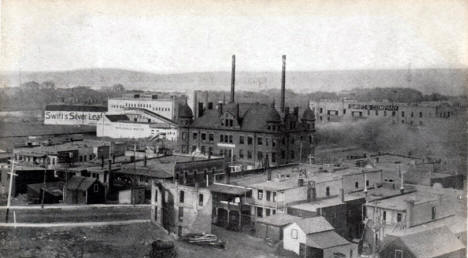
Packing plant, South St. Paul, 1910’s – Courtesy of LakesnWoods.com
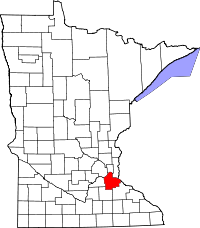
Towns where Poles settled in Dakota County include:
South St. Paul
County-Wide Resources
Catholic Churches and Cemeteries
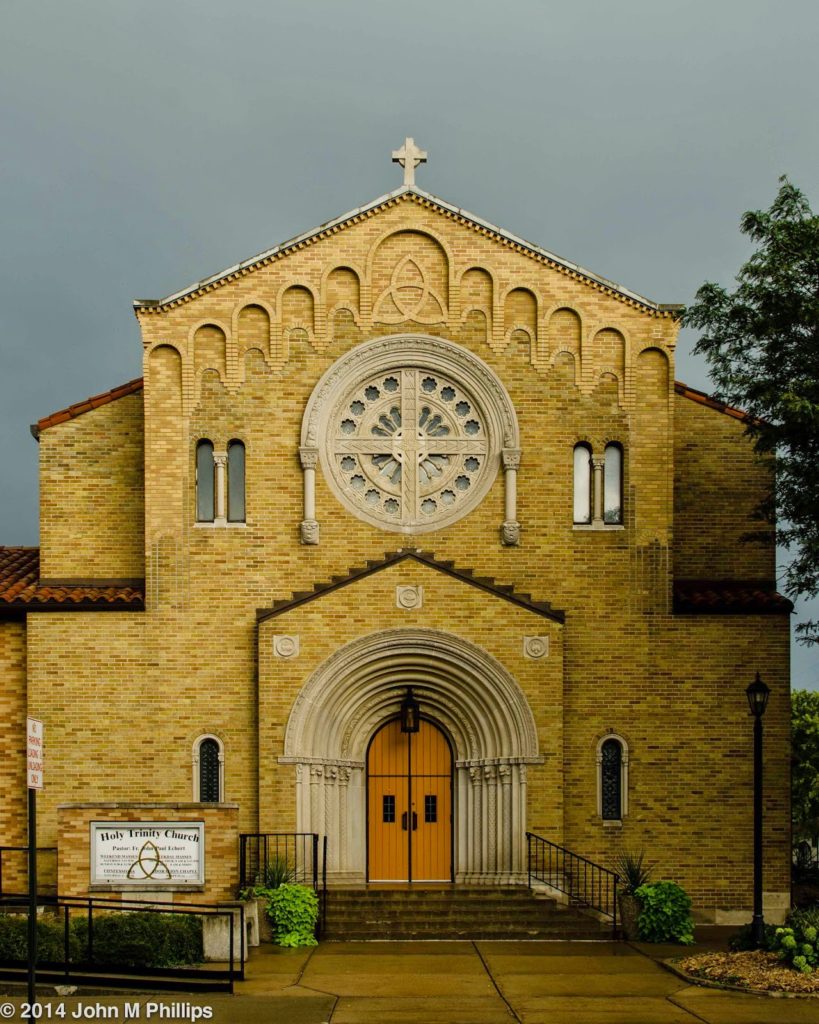
The church was a central point in the lives of Polish immigrants. Learn more about the churches and cemeteries in Dakota County where Polish families worshiped.
Vital Records and Land Records
U.S. Bureau of Land Management
The U.S. Department of Interior’s Bureau of Land Management has General Land Office Records where you can pick the state and county, then type a surname. If an ancestor purchased land, you will likely be able to see the document and details about the land and purchase.
Dakota County Historical Society
The Mission of the Dakota County Historical Society is to collect, preserve, promote and present the history of Dakota County.
Census Records
United States Census Records
You can find a lot of information about the U.S. Census records on the National Archives website. The U.S. Census was done every ten years from 1790 through 1950. (the site has direct links to census records for 1940 and 1950). FamilySearch and Ancestry also have census records (Ancestry requires a paid subscription).
Some Unique Questions on the Federal Census
| Census Year | Information |
|---|---|
| 1880 | Health conditions/disabilities (not many are entered in this column) |
| 1900 | Lists month and year of birth (not just year) |
| 1900 | For women: How many children were born to her and how many are living at the time of the census |
| 1910 | For women: How many children were born to her and how many are living at the time of the census |
| Multiple years | Naturalization Status: Ai=Alien, Pa=First Papers, Na = Fully Naturalized |
| Multiple years | Property Ownership: “O” = Owned, “R” = Rent |
| Before 1922 | When a male was naturalized, his whole family became naturalized |
| 1940 | X with a circle around it = The person in the household who reported the information |
Minnesota State Census Records
- The first Minnesota Territorial Census was taken in 1849, and was taken again in 1850, 1853, 1855, and 1857.
- After Minnesota became a State in 1858, the Minnesota State Census was taken every 10 years, in years that ended with a 5: 1865, 1875, 1885, 1895, and 1905.
- 1905 was the last year of the Minnesota State Census.
General Genealogy Links
The following are websites with general resources and genealogy information about Dakota County:
Maps
Plat maps are helpful in showing who owned the land that year. Click on the area you are interested in until you get to the detail level with names.
South St. Paul
History of the Town
Polish immigrants were recruited to South St. Paul when the stockyard and meatpacking business was developed in the late 1800s and early 1900s.
General Genealogy Links
The following are websites with general resources and genealogy information about South St. Paul:
Local Polish Building
The Polish Hall (Article)
622 First Avenue
South, South St. Paul, MN 55075
651-451-7258
| The Polish Hall, built in 1911 in South St. Paul, was a social hall for Polish immigrants to gather for meetings and receptions. It was a place where they could share music, food and other customs of Poland with each other. |
| The original building was later replaced by apartments but the basement is still in use as a bar for the Zagloba Society of the Polish National Alliance. |
South St. Paul Articles
Book
| title | author/Publisher | comments |
|---|---|---|
| South St. Paul: A Brief History | by Lois Glewwe The History Press, Charleston, SC, 2015 | PDF Document by the same author – this has similar information as the book. A thorough index is at the end of the 400 page document. |
South St. Paul Newspapers
The South St. Paul Reporter was in print from 1912-1943.
- South St. Paul Daily Reporter
- South St. Paul Voice – Current monthly newspaper