Other Aspects of Kashubian Culture
Weaving
The Kashubians have been great weavers – they even made baskets, buckets and jugs from pine roots and straw which were capable of holding water. Their weaving skills can also be seen on the roofs of the many thatched houses in the region.
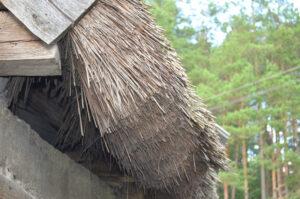
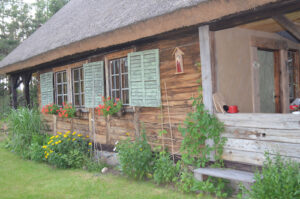
Photos by Paula Colwell in 2016
Articles about Basketmaking and Paper Cutouts
| TItle | Author/Publisher |
|---|---|
| Polish Basketmaking in 1991 Note: You can read the article online here – set up a free account by clicking ” Register” and read up to 6 articles/month. Kashubian section is on page 106 of the article. | by Mary Butcher Journal of Ethnography, No. 4, Dec 1993, pp103-122 |
| Kurpie, Łowicz, Kashubian &… Architectural: A Brief Guide to Paper Cutouts | by Anna Cymer |
Roadside Sculptures/Chapels
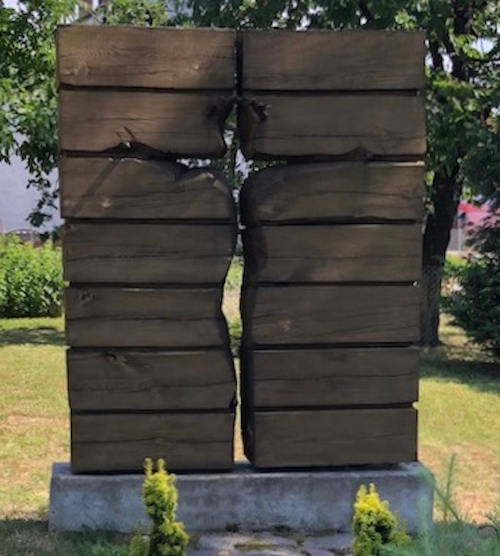
The Kashubians are also well known for a style of primitive painting on glass, woodcuts, and wooden sculptures including roadside chapels known as the Passions of Christ. Wood is also carved into elaborate walking sticks, animal heads and musical instruments. Below are examples of the sculptures found along roads in Kashubia.
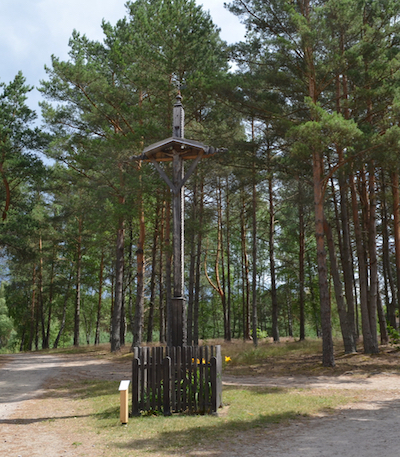
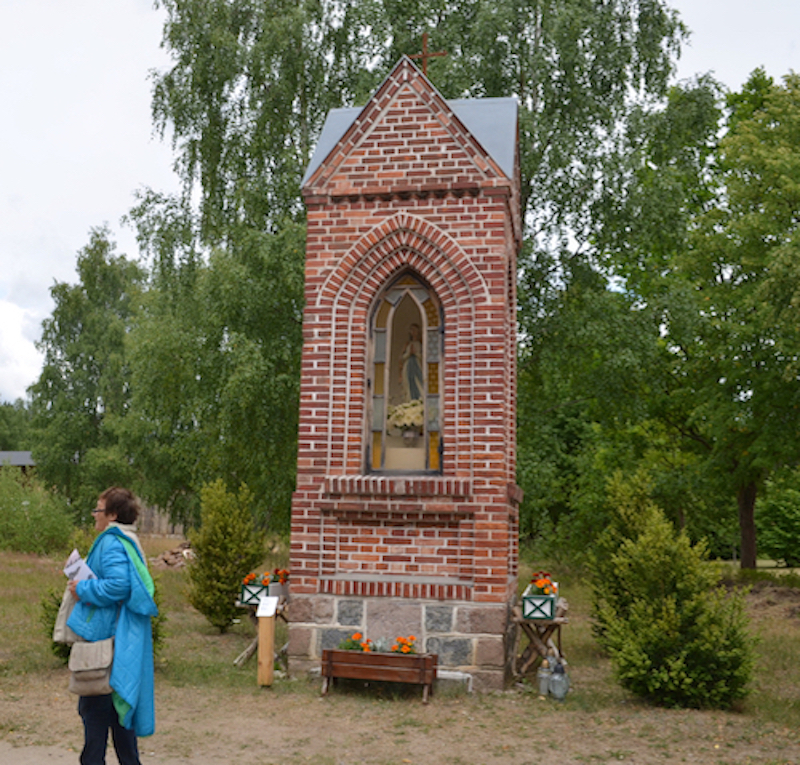
Photos by Paula Colwell in 2018
Kashubian Snuff Boxes (Tabakierka)
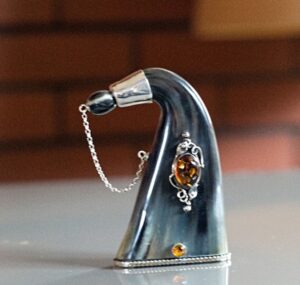
Snuff and snuff boxes have been important elements of Kashubian traditions. In fact, many Kashubians were addicted to snuff, similar to addiction to cigarettes in later generations. Traditional Kashubian snuffboxes are made from cattle horns that are boiled, flattened, and cut into unique shapes. The horn snuff-box was thought to be a symbol of manhood and was a gift given to men by their fathers when they got married and started their own families. Today, it is given to visitors as a sign of joy, good luck and an invitation to meet again – not only for people who use snuff, but also for all those who value beautiful, hand-made products.
KANA (Kashubian Association of North America) Articles abut Snuff
| Newsletter Issue | TItle/Author |
|---|---|
| Summer 1997, page 4 | Snuff – We Want to Take It! Lynne Visutskie |
| Summer 2010, page 12 | Does Anybody Need a “Tabakiera”? by Peter von Lipinsky |
Amber
Amber was crafted in Poland by the people of the Kurpie and Kashubia regions, whose artifacts from the 18th century can be found in museums. Amber is sold in many areas of Kashubia today in the form of stones, as well as different forms of jewelry.
KANA (Kashubian Association of North America) Newsletter
Articles about Amber
| Newsletter issue | title and Author |
|---|---|
| Spring 2002, page 10 | Heart of Amber, An Essay by Sean McLaughlin |
| Winter 2004, page 4 | The Most Valuable Amber by Sean McLaughlin |
| Spring 2007, page 4 | The Nature of Amber by Sean McLaughlin |
| Spring 2008, page 4 | Traditions of Baltic Amber: Color by Sean McLaughlin |
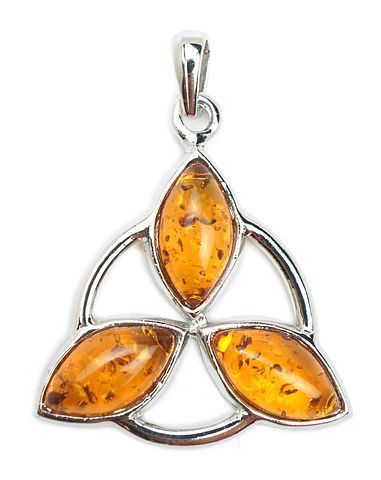
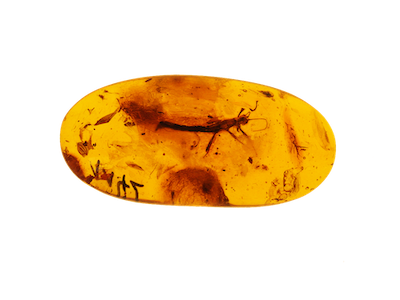
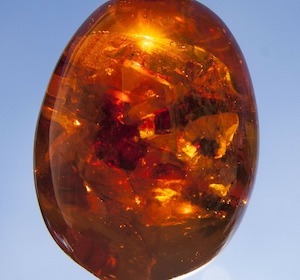
Examples of Amber
Kashubian Folk Dancing
Kashubian folk dancing is popular, including the colorful traditional costumes worn by the dancers.
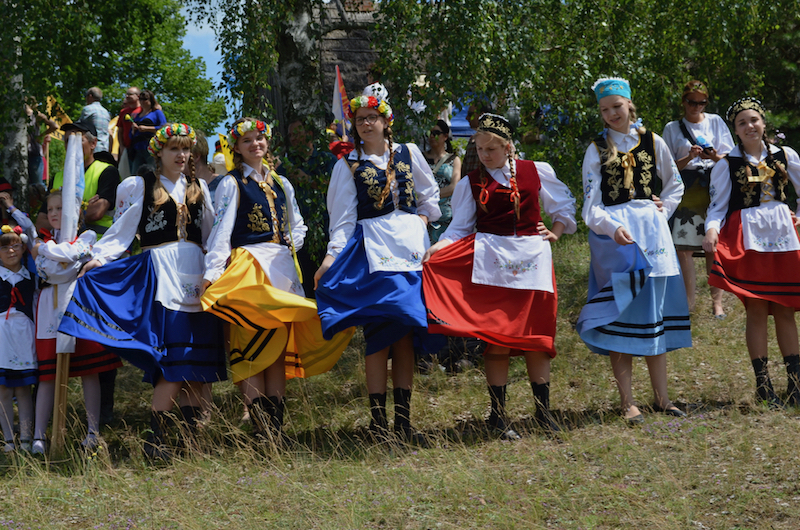
Photo by Paula Colwell in 2018